













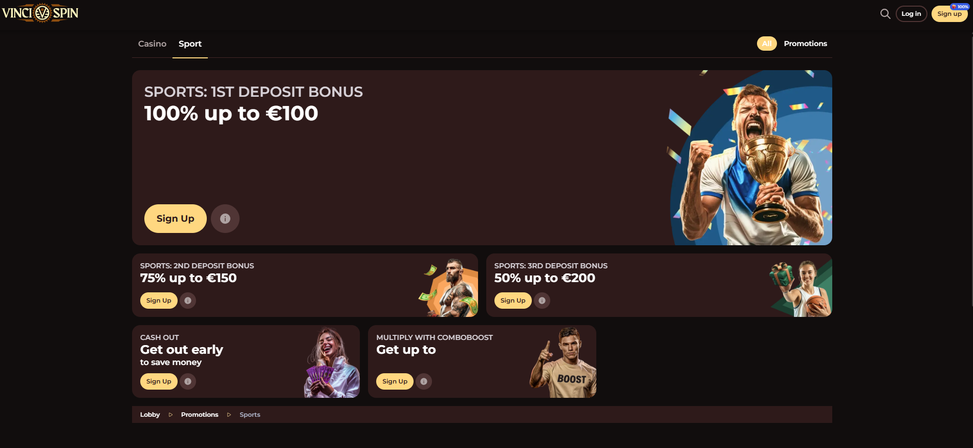
Bonus Code Vincispin: Offers In Italy

In Italy, Vincispin helps adults use codes and offers with clear steps, useful limits, and orderly payments.

Fortune Gems 2 Slot

Table of Contents

  • The Dog House Megaways Slot
  • Lucky Joker 10 Extra Gifts Slot
  • Sword of Ares Slot
  • Floating Dragon Hold & Spin Slot
  • Leprechaun Riches Slot
  • Fruit Cocktail Slot
  • The Dog House Megaways Slot
  • Sword of Ares Slot
  • Fruit Million Slot
  • The Dog House Megaways Slot
  • Big Fisherman Slot
  • Big Fisherman Slot
  • Seven Books Unlimited Slot
  • Vincispin Fortune Slot
  • Sword of Ares Slot
  • Floating Dragon Hold & Spin Slot
  • 9 Mad Hats Slot
  • Floating Dragon Hold & Spin Slot
  • Big Bass Splash Slot
Bonus 1

Understanding Offers Without Getting Carried Away

Imagine opening the platform after a long day: you want to switch off, not study a regulation. You see a banner, get excited, and feel like activating everything right away. That's precisely when it's best to take a ten-second break and ask yourself: “Does this offer suit my way of playing, or does it push me to change my pace?”

In 2026, promotions are no longer "one size fits all." There are extras tied to the first deposit, prizes requiring participation, credits that go into a separate balance, and initiatives valid only for certain game categories. You don't need to become a legal expert; you need to learn to read two or three practical details: how to activate it, how much time you have to use it, and what happens when you try to withdraw.

A simple – and very adult – trick is to turn the offer into a plan. If you have 30 minutes, choose something that doesn't force you to stay glued to the screen. If you have a free evening and want to play calmly, then a more "structured" extra can make sense. The idea is not to be driven by the pressure of "I have to get it now."

What Happens If You Activate Everything in a Hurry

Imagine this scene: you log in, click "activate," make a deposit, start playing... and then discover that the offer wasn't linked, or it was a different initiative than you thought. You get irritated, and the session starts off on the wrong foot.

When you activate in a hurry, you usually make two mistakes: you don't check the confirmation (that small text saying what you're activating) and you don't verify if the required action was "join" or "enter a code at checkout." If you want to avoid these messes, always follow the same mini-ritual: activate - check status - only then deposit or start the session.

How to Choose an Extra That Suits You

Imagine you're a short-session player: two games, a few spins, then stop. If you choose an extra that requires a lot of activity before it turns into something withdrawable, you risk feeling pressured and staying longer than planned.

A "right" extra doesn't change your personality. It accompanies you. If you notice you're only playing to "complete" it, that's a sign: it's better to choose a lighter initiative, or skip it and play without an extra that evening. Skipping is a choice, not a loss.
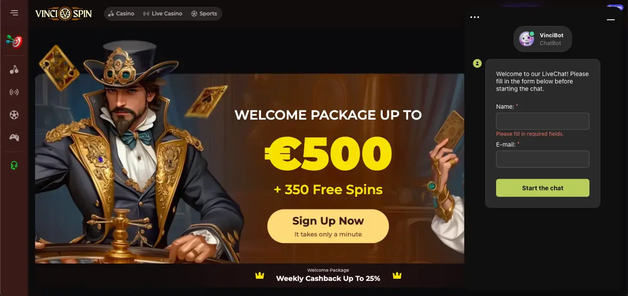
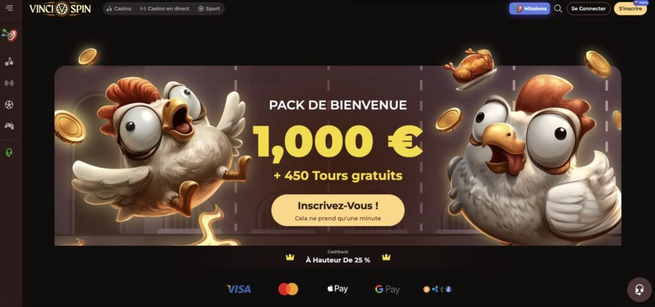
Deposit And Code: Clean Steps at Checkout

Imagine you're at the checkout on your smartphone: amount, method, a large button inviting you to confirm. You're in a hurry, maybe you're out and about, and you remember the promotional code at the last minute. You look for it, can't find it, and end up paying anyway, hoping to sort it out later. With codes, "later" often doesn't exist.

Bonus 2

The golden rule is to treat the code as part of the payment. First, choose the method and amount, then enter the code in the correct place, then check that it has been accepted, and only then confirm. It seems slow, but it saves you from the most annoying situations: completed deposit without offer, or active offer but different from the desired one.

In 2026, it's possible that the same account might see different initiatives depending on the channel (mobile or desktop) or the path (promotions page or checkout). It's not a "trick," it's segmentation. Therefore, when testing, change one thing at a time: first the method, then the amount, then any code. If you change everything at once and something goes wrong, you never know where the step broke.

There's also a psychological aspect that's worth more than a thousand tips. The offer shouldn't push you to increase your deposit "because it's convenient." It's only convenient if it stays within your entertainment budget. If you feel you're inflating the amount just to chase an extra, go back to the figure you decided on and stop there.

Another practical point: always check the history and summaries. Not out of distrust, but for clarity. Knowing what happened (amount, method, status) keeps you clear-headed and avoids impulsive reactions.

Finally, don't underestimate the connection. Imagine entering a code with an unstable signal: the page refreshes, everything seems okay, then you go back and see nothing. In that case, don't keep trying repeatedly. Close, reopen the checkout, redo the step calmly on a stable network.

Confirmation of Activation Before Paying

Imagine seeing a short phrase like "offer applied" and thinking that's enough. Then, just before confirming, a different summary appears. It's a small detail, but that's where everything is decided.

Always look for a clear signal: an active promotion label, an updated summary, or an account section showing the initiative's status. If you don't see it, don't go by 'gut feeling'. Go back and double-check, because emotional certainty is the number one enemy of calm sessions.

bonus 3

Come Funziona Vincispin Online Casino Bonus Nel 2026

Imagine receiving an extra and thinking 'perfect, it's all mine'. Then you try to withdraw and discover that the extra lives in a separate balance, or that there's a gameplay path before unlocking certain parts. It's not a plot twist, it's how these initiatives are managed to stay organized.

In 2026, many offers follow a step-by-step logic: you activate them, use them within a time window, meet minimum requirements, and only then do some funds become withdrawable. The point isn't to judge, but to choose consciously. If your goal is to try out the platform, an extra can be a great 'test session'. If, on the other hand, you want maximum immediate freedom, then you need to select lighter initiatives or simply play without extras.

A behavior that ruins the experience is blind chasing. Imagine opening and closing games randomly just to 'spin it' faster. You get tired, lose control, and the platform becomes stress instead of entertainment. It's much better to choose a category, have a short session, and close with satisfaction.

To make everything simpler, think of offers as tools. A tool shouldn't command you. If you feel pressure - if you find yourself staying longer than planned or betting higher to speed things up - it means you're using the tool backward. At that moment, a break or a set limit is worth more than any extra.

Games, Sessions, and Budgets: The Part That Matters

Imagine entering the lobby and seeing hundreds of titles. You scroll, open, close, scroll again. Ten minutes go by without even a single bet, and you already feel 'indebted' to time. That's the perfect moment to make an adult choice: reduce the options.

In 2026, the quality of a session isn't just 'what you play', but how you play it. Same game, two different paces, two different emotional outcomes. If you set a boundary (time, budget, number of rounds), the session remains entertainment. If you set nothing, the session extends on its own.

Slots: Pace and Bets Without Impulses

Imagine a fast slot: you tap, result, tap, result. After a while, you're not deciding anymore, you're reacting. That's where the budget blurs.

Usa una puntata fissa per blocchi e inserisci pause brevi. Controlla saldo e tempo, poi decidi se continuare. Se ti accorgi che stai aumentando la puntata “per recuperare”, quello è un segnale di stop, non un motivo per accelerare.

Live Tables: Decisions Under the Clock

Imagine sitting at a live table after a series of quick spins: your mind is still in 'tap' mode. Now, however, there's a timer, a slower pace, and a more social feeling. If you don't pay attention, you might raise your bets just because the atmosphere draws you in.

Choose tables with bets that make you comfortable, not 'brave'. If the stream is unstable and you feel pressured, change the format without being stubborn. Playing well here means playing calmly.

A good trick is to set the maximum before you sit down. Decide on the threshold, then stick to it as if it were part of the game rules. True freedom comes when you don't have to negotiate with yourself on every hand.

Fast Games: Stop While You're Still Calm

Imagine playing 'just one round' on a fast game and then repeating it ten times because it's easy to jump back in. The risk isn't the single round, it's the automatic repetition.

Set a simple limit: maximum number of rounds or an external timer on your phone. If you feel irritation or the urge to 'fix' a loss, take a break. A short break often saves more budget than any improvised strategy.

Payments and Withdrawals in Italy with Less Stress

Imagine the difference between depositing and withdrawing. Deposits are often quick, which creates expectations. Then you request a withdrawal and see a 'processing' status, and your mind starts with useless scenarios. It's better to enter with realistic expectations: the outgoing part may involve security checks, in compliance with applicable rules.

The key is to make money 'boring' - in a good way. Boring means: consistent method, sensible amounts, consultable history, and checks done when you're calm. Those who manage this way usually experience less stress and make clearer decisions.

A typical mistake is changing too many things at once. Imagine modifying the method, updating profile data, and requesting a withdrawal at the same time. If a confirmation request then appears, you won't understand what it depends on. The advice is simple: stability first, then movements.

And if something doesn't add up, don't keep playing while confused. Stop, check your transaction history, and if necessary, contact support with a clear summary of steps, device, and approximate time.

Appearance

What to Check

Why It Helps You

Abitudine Semplice

Metodo Di Versamento

Coerenza e limiti

Riduce variabili e dubbi

Usa lo stesso metodo all’inizio

Withdrawal Request

Stato e messaggi

Evita panico da “pending”

Leggi il riepilogo prima di confermare

Verifica Identità

Foto nitide e dati coerenti

Accelera i controlli

Fallo in un momento calmo

History

Importi e tempi della sessione

Ti dà controllo reale

Controlla a fine sessione

Support

Problem Details

Faster responses

Write what you did, not just what you feel

Verification: Do it When You're Not in a Hurry

Imagine you just finished a good session and want to close "on a high note" with a withdrawal. Right there, a verification request appears, and you're tired. If you take quick photos in poor lighting, you risk having to redo everything.

The solution is to anticipate. If the platform asks for verification, do it on a normal day, with good lighting and no rush. Consistent data and clear images turn verification from an emotional obstacle into a simple step.

Consistent Method: The Shortcut That Doesn't Seem Like One

Imagine depositing with one method and then choosing another to receive funds "because it's more convenient for me." Often, that's exactly where extra checks are triggered, and you experience it as slowness.

The real shortcut is to remain consistent: same method, same data, same routine. If you need to change, do it when you're not in a hurry and accept that additional steps may appear. Predictability beats speed, especially when you want to stay calm.

Support, Security & Smart Breaks

Imagine an evening when you realize you're logging in more out of habit than for pleasure. It's not a moral judgment, it's a practical signal. At that moment, the quality of the platform is seen in two things: how easy it is to ask for help and how accessible the break tools are.

Security also means comfort. Protected phone, non-shared account, selected notifications. If your device is "open," the temptation to log back in becomes too easy, and the experience loses that healthy distance needed to keep gaming as entertainment.

Breaks are the most underestimated part. A short timeout breaks the impulse to chase losses. A longer break is useful when you want a clear boundary. The important thing is to use them before the session becomes a tug-of-war with yourself.

Support should also be seen as a normal function, not a last resort. Imagine not understanding an entry in your history or a step at checkout: asking for clarification immediately avoids later mistakes. When you write, provide context: what you did, on which device, what message you saw, and approximately what time. It's the quickest way to get a useful answer.

Finally, keep a simple personal rule. For example: only one deposit per session, timer active, stop when you feel irritation. Then align the platform's limits with that rule. When tools and rules go in the same direction, you stop "resisting" and start enjoying the game with lightness.

FAQ

Check if an activation indication appears in the account area or checkout summary, not just a banner on the homepage. If you don't see clear confirmations, go back and check the steps, because it's better to lose thirty seconds than to find out everything later.

Try again once by retyping the code manually, then check the amount and payment method, because often the problem is a minimum threshold or method compatibility. If you changed multiple things at once, revert to a stable configuration and change one variable at a time to isolate the cause.

Because the withdrawal of funds triggers security steps typical of adult flows and consistent with applicable rules. If you complete any verifications in advance and keep your data consistent, the process becomes more predictable and less stressful.

Set a timer and a fixed bet per block, then take short breaks to check your balance and time. If you feel the urge to recover a loss with a higher bet, that's the right time to stop or take a break, not to accelerate.

Create a short favorites list and add only one new title per session, so you explore without turning the evening into endless scrolling. If after a few minutes a game doesn't appeal to you, close it and move on: staying out of stubbornness is the quickest way to lose control.

When you notice you're playing out of habit, irritation, or chasing losses, not for fun. A short break helps break the impulse; a longer break is useful when you want a clear boundary and need space to reset.

Indicate what you were doing, on which device, with what type of connection, what message you saw, and the approximate time of the event. An organized account reduces follow-up questions and speeds up the solution, especially for issues related to checkout, history, or request statuses.